New York Enacts Statutory Rules for Mortgage Payoff Application
December 26, 2025
Deficiency Judgments: State-by-State Framework in Judicial Foreclosure
December 29, 2025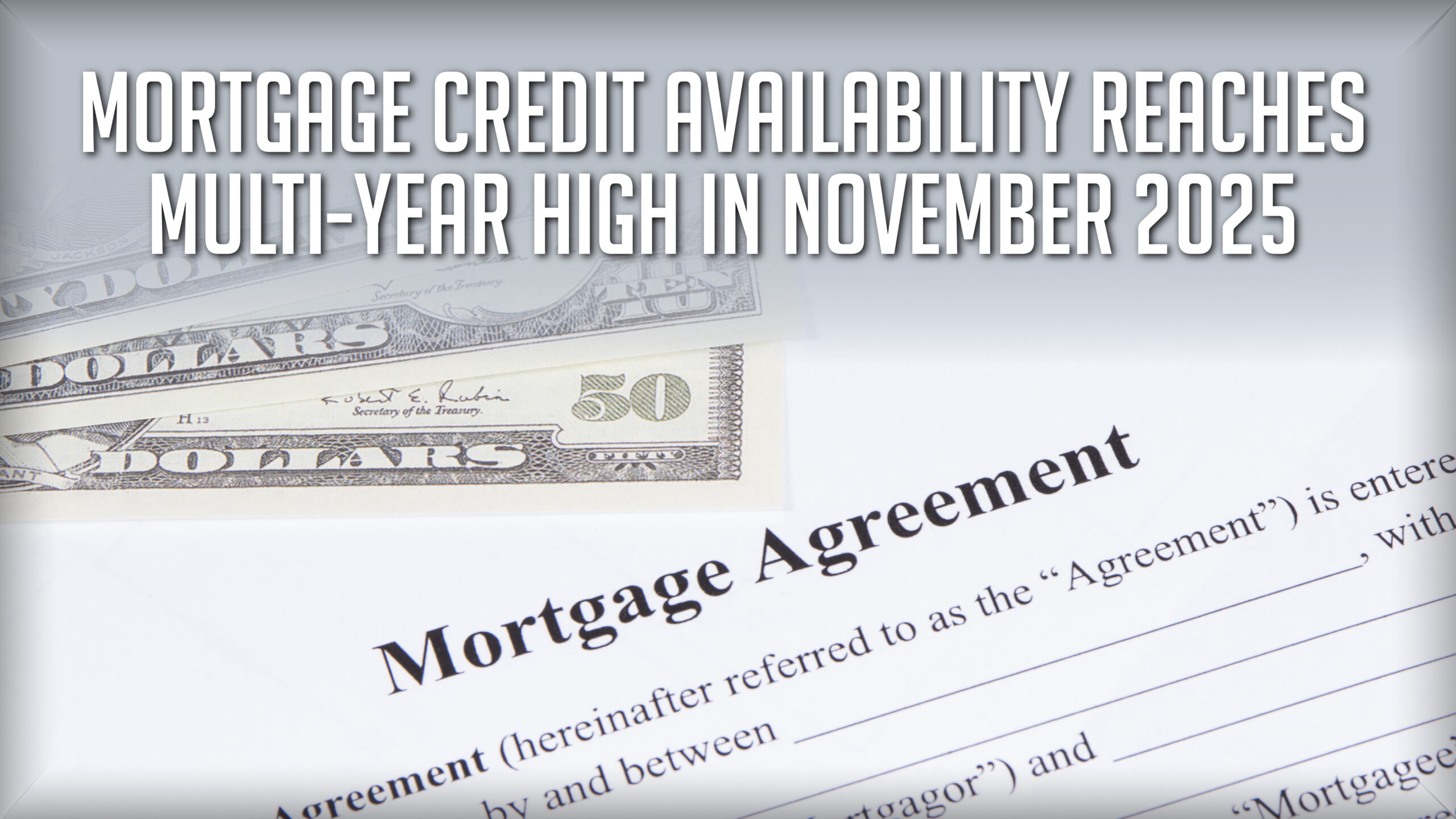
December 26, 2025
In November 2025, the Mortgage Bankers Association (the “MBA”) reported that mortgage credit availability increased for the fifth straight month and that the Mortgage Credit Availability Index rose 0.7% to 107.5. For reference, that index was benchmarked to 100 in March 2012. The Conventional component of the index rose 1.1% while the Government component remained unchanged; within the conventional category, the Jumbo index increased 1.6% and the Conforming index remained at its prior level. According to MBA’s vice president and deputy chief economist, this level represents the highest credit availability since 2022 and reflects a growing supply of adjustable-rate mortgage and cash-out refinance loan programs.
Importantly, while the MBA attributed the increase in credit availability to both the introduction of additional adjustable-rate and cash-out refinance loan programs, overall underwriting standards remained relatively conservative. Rising credit availability may influence originations by expanding options for qualified borrowers even though many programs still require lower loan-to-value ratios and higher credit scores. This could affect market activity where demand exists for both purchase and refinance products. Market participants may want to consider whether sustained availability changes can translate into measurable impacts on application volumes, underwriting standards, and portfolio composition in early 2026.
DISCLAIMER
This publication may constitute attorney advertising under the laws and rules of professional conduct of one or more states. The information provided in this publication is for general informational purposes only and does not constitute legal advice. The contents are not intended to be a substitute for professional legal advice, consultation, or representation. No attorney-client relationship is formed by reading or relying on this publication. Prior results do not guarantee a similar outcome. Readers should consult a qualified attorney for advice regarding their individual circumstances or any specific legal questions they may have.
If you have questions about this publication, please contact Adam Friedman, Ralph Vartolo or Michael DeRosa,
Friedman Vartolo LLP, 1325 Franklin Avenue, Suite 160, Garden City, NY 11530, Phone: (212) 471-5100 | Fax: (212) 471-5150.