First Fannie Mae-Backed Mortgage Incorporating Bitcoin Collateral Closes
June 5, 2026
Supreme Court Limits Compensation Claims Based on Fair Market Value in Tax Foreclosure Case
June 25, 2026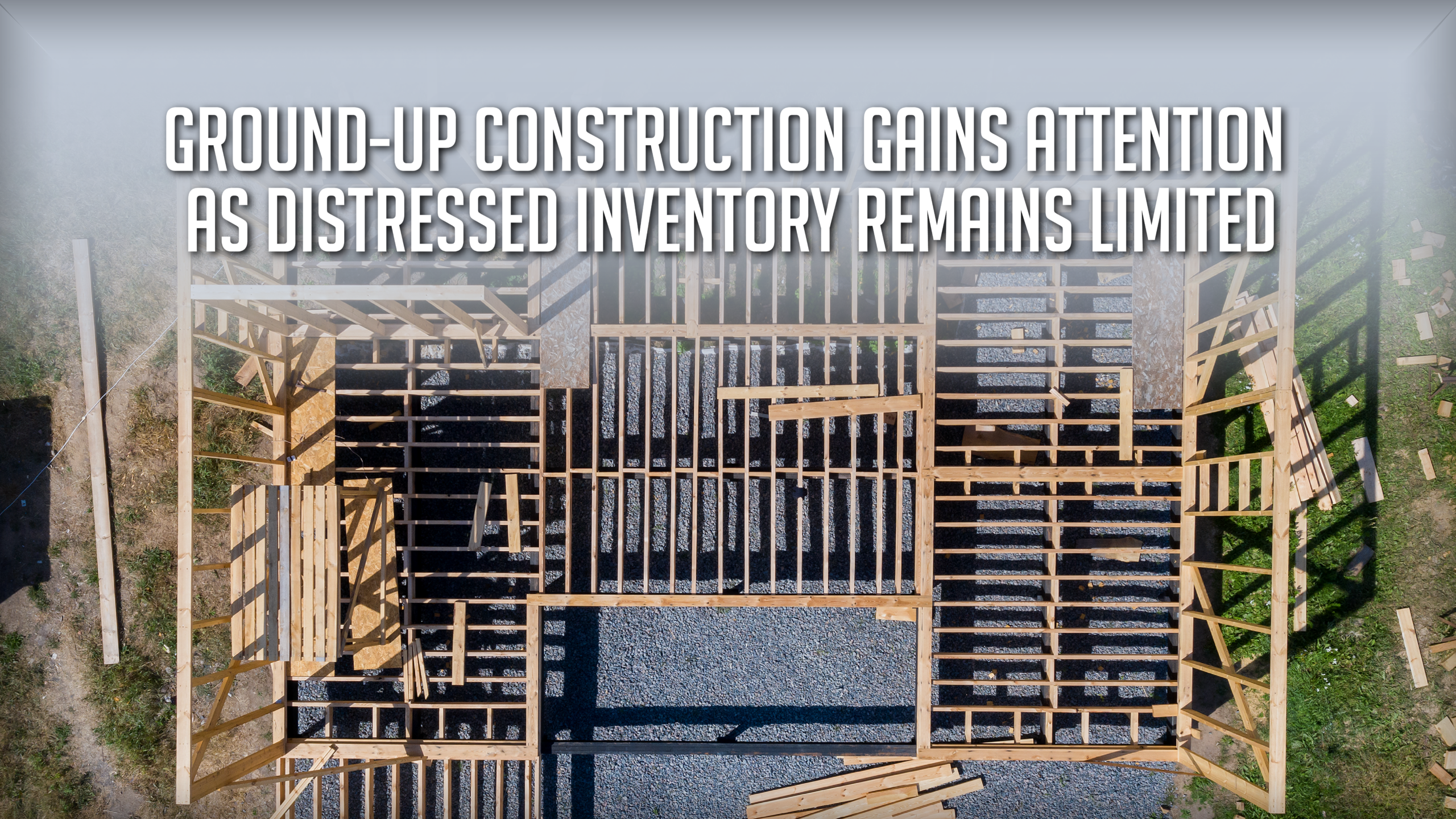
June 16, 2026
Mortgage Professional America reported in June 2026 that some residential transition lending (“RTL”) lenders are increasing their focus on ground-up construction as distressed inventory remains limited. The April 2026 ICE First Look at Mortgage Performance recorded 37,000 foreclosure starts in April. That figure increased nearly twenty-six percent (26%) year over year. The report also recorded 276,000 loans in active foreclosure. That figure increased thirty-two percent (32%) from a year earlier. Despite those increases, foreclosure starts remained below pre-pandemic norms. Active foreclosure inventory exceeded the March 2020 level for the second consecutive month. Ben Fertig, founder and president of Constructive Capital, stated that the limited supply of distressed properties is driving greater lender and borrower interest in new construction projects. The data and industry commentary indicate that distressed property shortages continue to influence where some RTL lenders are directing capital.
Fertig attributed the limited distressed supply in part to homeowner equity levels. He stated that many borrowers hold significant equity positions. This may reduce the likelihood of the widespread strategic defaults that followed the 2008 financial crisis. For mortgage servicers and investors, the data may indicate that increased foreclosure activity is not necessarily producing a comparable increase in distressed acquisition opportunities. Fertig also cautioned that additional capital entering the RTL market could encourage some lenders to accept greater risk as competition for borrowers increases. This trend may provide additional insight into how RTL lenders are adapting to a market with fewer distressed acquisition opportunities.
DISCLAIMER
This publication may constitute attorney advertising under the laws and rules of professional conduct of one or more states. The information provided in this publication is for general informational purposes only and does not constitute legal advice. The contents are not intended to be a substitute for professional legal advice, consultation, or representation. No attorney-client relationship is formed by reading or relying on this publication. Prior results do not guarantee a similar outcome. Readers should consult a qualified attorney for advice regarding their individual circumstances or any specific legal questions they may have.
If you have questions about this publication, please contact Adam Friedman, Ralph Vartolo or Michael DeRosa,
Friedman Vartolo LLP, 1325 Franklin Avenue, Suite 160, Garden City, NY 11530, Phone: (212) 471-5100 | Fax: (212) 471-5150.