Philadelphia Sheriff’s Office’s New ‘Auction Search Platform’
August 6, 2026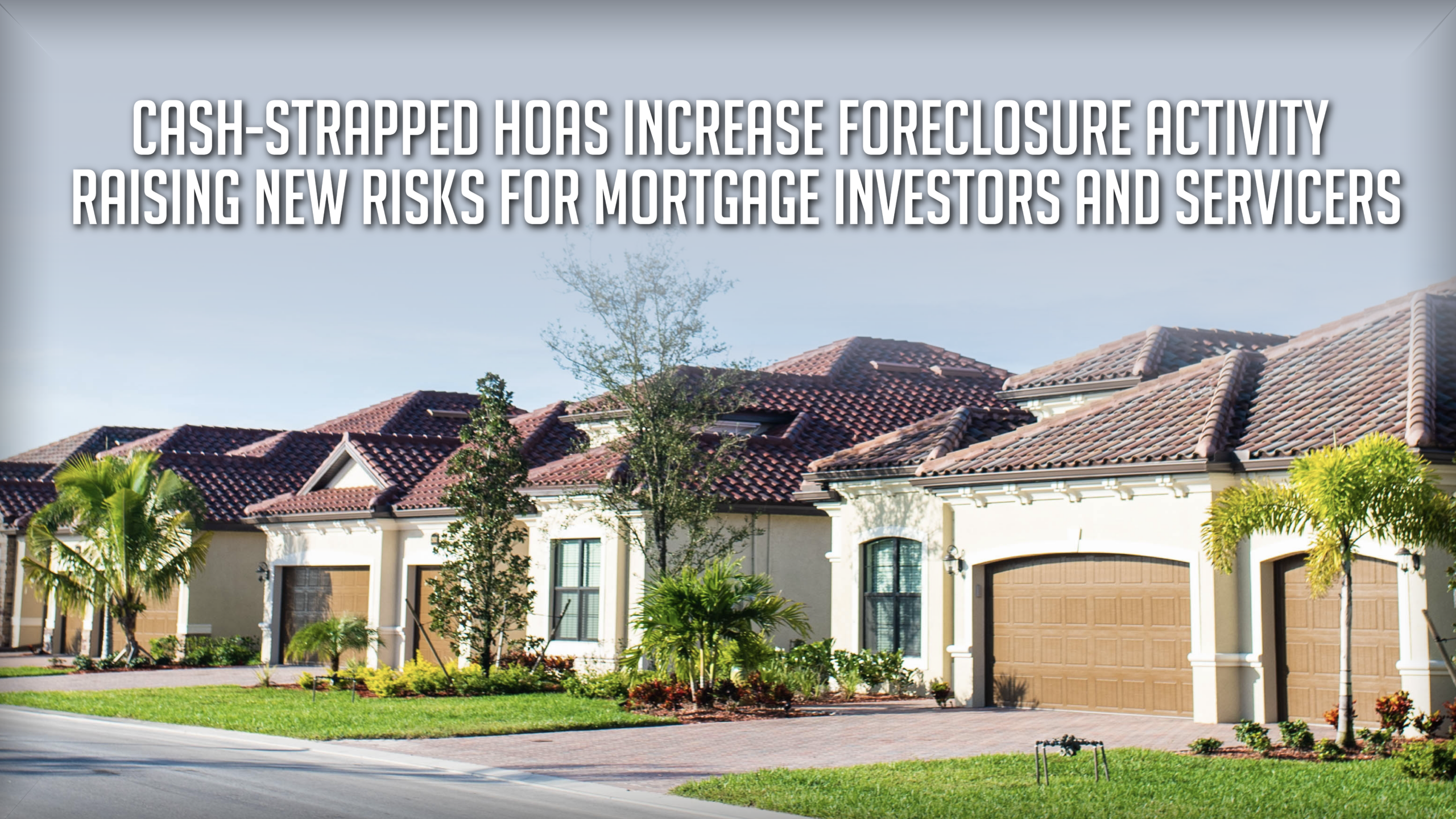
August 11, 2026
Homeowners’ associations (“HOAs”) across the United States are pursuing foreclosure more aggressively as rising insurance premiums, maintenance expenses, depleted reserve funds, and increased safety-related obligations place greater financial pressure on association budgets. According to reporting by The Wall Street Journal, 6,376 properties recorded HOA-related foreclosure filings during the first quarter of 2026. This represents an increase of nearly forty percent (40%) compared to two (2) years earlier. The same reporting states that HOAs filed more than 285,000 liens during 2025 and that many associations are shortening informal grace periods before referring delinquent accounts to legal counsel. Because approximately twenty (20) states recognize some form of HOA “super-priority” lien, unpaid association assessments may obtain priority over portions of a first mortgage. This can create additional risk for secured lenders even when the underlying mortgage remains current. Mortgage investors and servicers, especially those in super-priority lien jurisdictions, may want to pay extra attention to HOA liens, assessments, and foreclosure actions affecting their collateral in light of the recent increase in HOA enforcement activity.
This trend may also place greater operational importance on vendor oversight. HOA monitoring vendors play a big role in identifying delinquent assessments, recorded liens, pending foreclosure actions, and escalating legal activity before those issues impair collateral or create avoidable losses. In super-priority lien jurisdictions, delayed identification of an HOA foreclosure or unpaid assessments may expose investors and servicers to increased costs, litigation, title complications (or even the impairment of mortgage lien priority, depending on applicable state law). As HOA budgets continue to face pressure from higher operating costs and reserve funding obligations, investors and servicers may benefit from evaluating whether existing HOA oversight processes, vendor reporting, and escalation protocols remain sufficient to identify developing risks early in the default lifecycle.
DISCLAIMER
This publication may constitute attorney advertising under the laws and rules of professional conduct of one or more states. The information provided in this publication is for general informational purposes only and does not constitute legal advice. The contents are not intended to be a substitute for professional legal advice, consultation, or representation. No attorney-client relationship is formed by reading or relying on this publication. Prior results do not guarantee a similar outcome. Readers should consult a qualified attorney for advice regarding their individual circumstances or any specific legal questions they may have.
If you have questions about this publication, please contact Adam Friedman, Ralph Vartolo or Michael DeRosa,
Friedman Vartolo LLP, 1325 Franklin Avenue, Suite 160, Garden City, NY 11530, Phone: (212) 471-5100 | Fax: (212) 471-5150.