Senate Bill Proposes Federal Grants to Unlock Faith-Based Land for Housing
January 22, 2026
Trump Housing Proposals Spotlight Institutional Investor Restrictions, Credit Relief, and 401(k) Policy Questions
January 23, 2026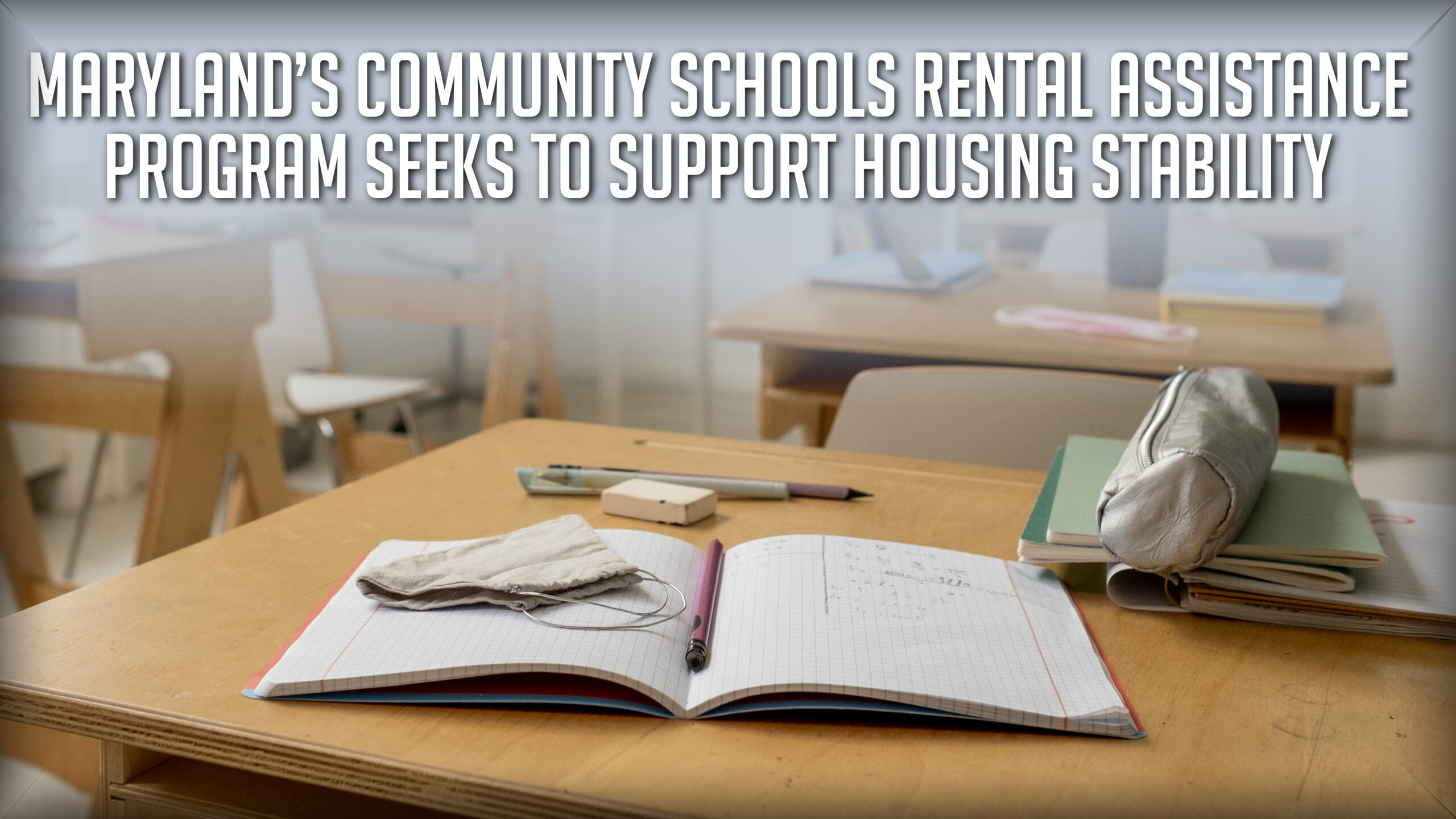
January 23, 2026
In late November 2025, the Maryland Department of Housing and Community Development (“MDHCD”) announced the launch of the Community Schools Rental Assistance Program. This state initiative is designed to provide short-term rental assistance to families experiencing housing instability while enrolled in participating community schools. The program opened applications on November 26, 2025, and authorizes up to fifteen (15) months of assistance for eligible households across eight (8) local jurisdictions (including support for past-due rent, utility arrears, security deposits, and relocation costs).
The program likely reflects a policy approach that linked housing stability to educational continuity by targeting households with children enrolled in community schools serving students facing elevated economic and social challenges. By directing rental assistance through school-based eligibility criteria, the initiative may aim to reduce eviction risk and prevent homelessness among vulnerable families. “These resources will help ensure the families struggling to keep up with rent and utilities, the single mother with children living in their car or a hotel room, or the homeless, couch-surfing high school student that’s running out of places to stay, all keep a roof over their heads,” said MDHCD Secretary Jake Day.
The program remains active as state and local agencies administer funding into December 2025. Read more frequently asked questions about the program HERE.
DISCLAIMER
This publication may constitute attorney advertising under the laws and rules of professional conduct of one or more states. The information provided in this publication is for general informational purposes only and does not constitute legal advice. The contents are not intended to be a substitute for professional legal advice, consultation, or representation. No attorney-client relationship is formed by reading or relying on this publication. Prior results do not guarantee a similar outcome. Readers should consult a qualified attorney for advice regarding their individual circumstances or any specific legal questions they may have.
If you have questions about this publication, please contact Adam Friedman, Ralph Vartolo or Michael DeRosa,
Friedman Vartolo LLP, 1325 Franklin Avenue, Suite 160, Garden City, NY 11530, Phone: (212) 471-5100 | Fax: (212) 471-5150.